Which one should you buy?
If chafing between the thighs is your main complaint, a lined short with a fitted built-in brief is the more likely fix. If you already run in supportive underwear you like, or you overheat and sweat heavily, the liner is dead weight you can skip. There is no universally better option here – only the version that matches your body, your underwear habits, and the conditions you run in. This is a spec-and-construction assessment, not a wear test, so treat everything below as reasoning from how these shorts are built rather than miles logged in a specific pair.
What the two terms actually mean
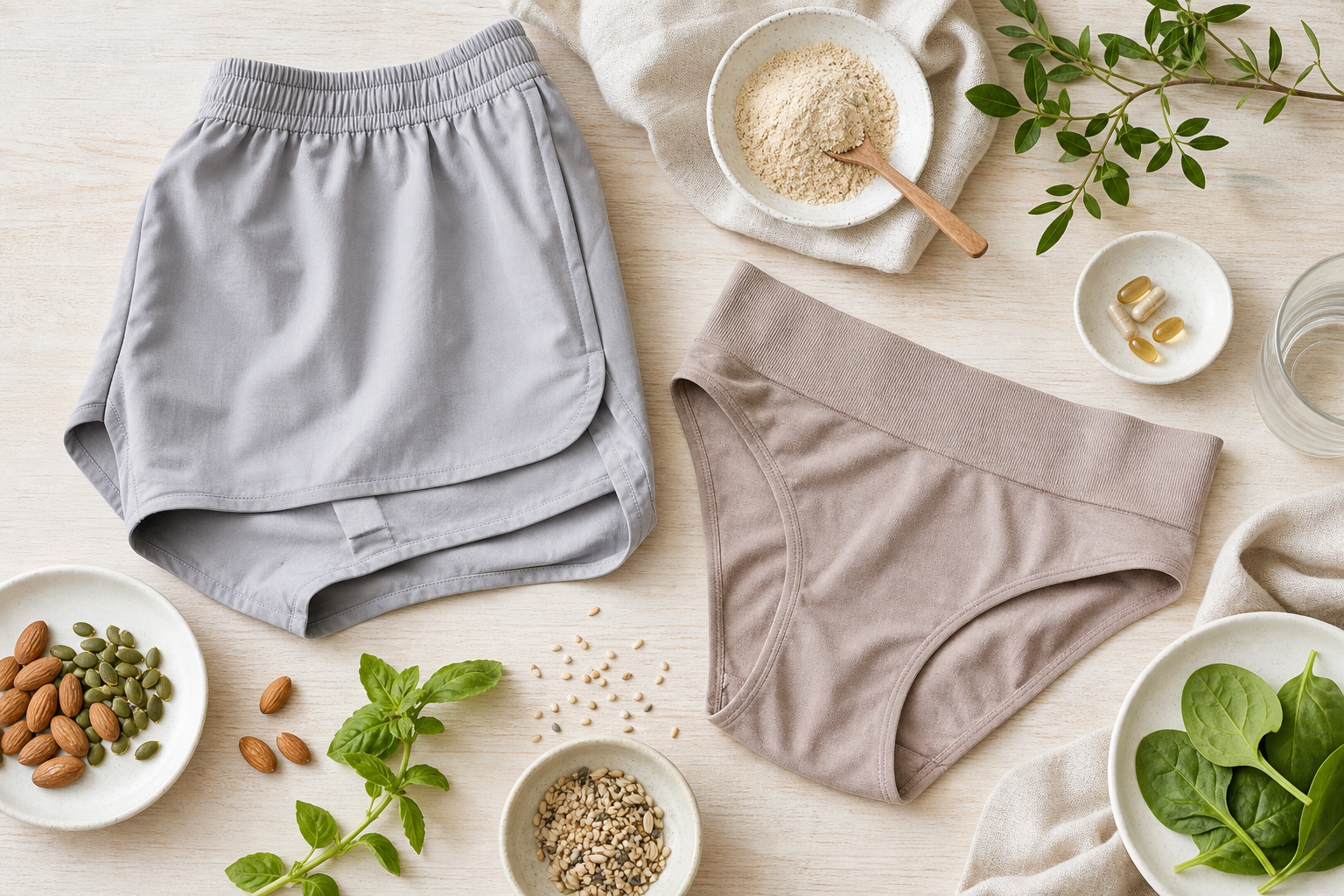
A lined short has a second layer sewn into the crotch and inner leg – usually a compressive brief, sometimes a looser mesh gusset. The idea is that the liner replaces underwear entirely and manages moisture and friction at the seam where your thighs meet.
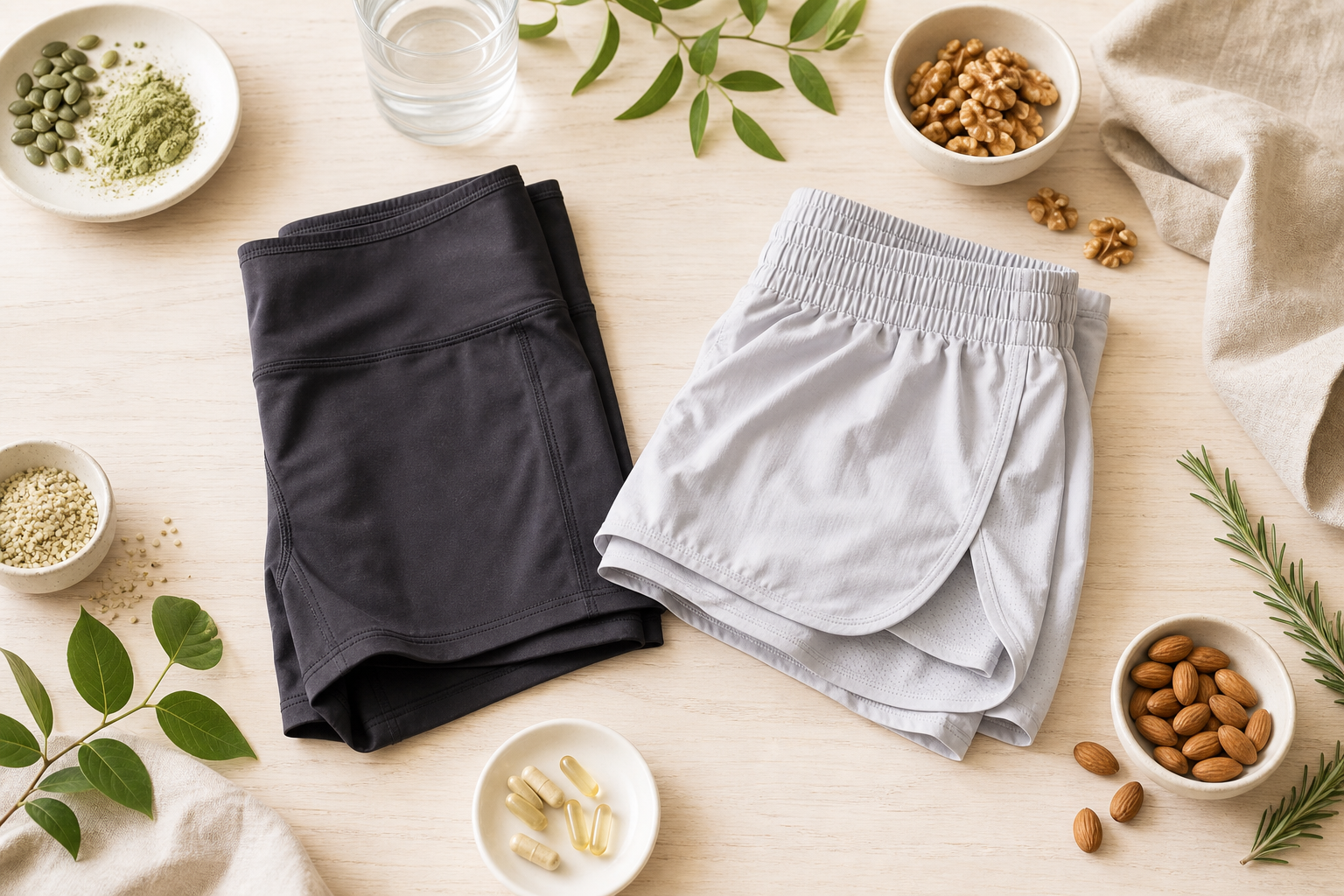
An unlined short is a single shell. You wear your own underwear, or nothing, underneath. Sometimes called a "split short" or "woven short" when the shell is loose and non-stretch, though those are shell-construction terms, not liner terms – a woven short can be lined too. Do not confuse a lined short with a 2-in-1 short, which pairs an outer short with an attached compression legging rather than a brief; that is a different garment solving a different problem (mid-thigh chafing along the full leg, not just the crotch).
What a built-in brief is good at
The liner earns its place in three situations, and it is worth being specific about which.
- Chafing at the inner thigh and crotch. A fitted liner holds the fabric close to the skin so it moves with you rather than rubbing back and forth. This is the liner's strongest use case – it is a mechanical fix for a mechanical problem, and it is the reason most women who buy lined shorts buy them.
- Skipping separate underwear. One garment instead of two means one fewer seam sitting under a waistband, and one fewer thing to launder. If you dislike the feel of underwear under a short, the liner is the point.
- A predictable, secure fit for shorter shells. On a short-inseam shell, an unlined short can ride up. A compressive liner anchors the leg and reduces that.
None of this requires the shell to be any particular length, but liners are most common on shorter inseams because that is where ride-up and thigh contact are worst.
Where a liner works against you
The drawbacks are real and they are the reason unlined shorts still sell well.
- Heat. A second layer over the pelvis is a second layer of insulation. In hot or humid running, a liner traps warmth and moisture exactly where you least want it. Heavy sweaters often find the liner stays damp for the whole run.
- You are locked into someone else's underwear decision. The liner's cut, compression, and fabric are chosen by the manufacturer, not you. If the leg openings dig in, or the compression is wrong for you, the whole short is compromised. With an unlined short you keep control of that layer.
- Fit is harder to get right. A lined short has to fit at the shell and at the liner. A brief that pulls too tight at the hip or gaps at the gusset ruins an otherwise good short. That is one more variable that can go wrong.
- Menstrual and bathroom practicalities. Some liners make it awkward to wear a pad or to manage a quick bathroom stop mid-run. This is individual, but worth checking before you commit.
How the liner reduces chafing, mechanically
Chafing is repeated skin-on-skin or skin-on-fabric friction, made worse by sweat and salt. The mechanism a fitted liner relies on is simple: by compressing soft tissue and holding a low-friction fabric flush against the skin, it converts skin-on-skin rubbing into fabric-on-fabric sliding, which generates less friction and less heat at the skin surface. That is a plausible mechanical explanation for why many runners chafe less in a good liner – but it is a mechanism, not a guarantee. Whether it works for you depends on your thigh geometry, the liner's cut, and how wet it gets. A liner that rides up or bunches can create a new seam that chafes worse than bare skin.
How to choose between them
Rank your selection criteria by how directly they affect the outcome you care about, not by what the marketing leads with.
- Liner cut and leg-opening finish (mechanically most important). A flat, bonded or raw-edge leg opening chafes less than a thick elastic band. This is the single detail most likely to make or break a lined short.
- Shell fabric weight and breathability (matters most in heat). Lighter, more open weaves shed heat better. If you run hot, weight the shell toward breathability and consider going unlined entirely.
- Inseam length for your goal. Shorter inseams favour a liner for ride-up control; longer inseams reduce mid-thigh contact on their own and make the liner less critical.
- Waistband width and pocket placement. A wide, non-rolling waistband and a secure phone pocket affect comfort every run and are independent of the liner question.
- Your existing underwear. If you already own seamless running underwear that works, an unlined short plus that underwear gives you the same friction control with full control over the layer.
Notice that none of these is settled by whether the label says "lined". The liner is one variable among several, and it is not automatically the one that decides comfort.
Who should skip the liner
- Heavy sweaters and hot-climate runners, for whom the extra layer traps heat and stays wet.
- Anyone who already runs comfortably in their own underwear and does not want a manufacturer choosing that layer for them.
- Runners who need to wear a pad or manage frequent bathroom stops and find liners awkward.
- Anyone whose past chafing came from a specific liner's leg elastic rather than from bare skin – a different short, or no liner, may solve it.
Conversely, if your recurring problem is inner-thigh chafing and you dislike running in underwear, a fitted lined short is the sensible default, and a shorter-inseam model is the version most likely to help. If that describes you, the women's 4-inch lined short is a reasonable starting point — provided you check the leg-opening finish before anything else.
What this looks like on an actual product page
The practical skill is reading the spec block, because brands state the liner inconsistently. One worked example, read on 15 September 2026: the same brand sells a 4-inch short that lists a “full brief liner” outright, and 5-inch and 8-inch shorts whose spec blocks list four pockets, a silicone hem and a fabric blend — and say nothing about a liner at all.
That silence is the thing to notice. A page that does not mention a liner is usually telling you there is none, but it is telling you by omission rather than by statement, which is why so many people find out at the first run. If the spec block does not say, the question is worth asking before you order rather than after. Note also which way the fabric goes: the lined 4-inch pair is 92% polyester and 8% spandex, while the unlined longer pairs are 75/25 — the liner is doing the holding on the first, and the shell fabric is doing it on the others.
Verdict
Neither option is better in general, and any guide that names one winner is ignoring how much this depends on your body and your climate. Buy the liner to solve inner-thigh chafing and to run without separate underwear; skip it if you run hot, sweat heavily, or already have an underwear setup you trust. When you do pick a lined short, judge it first on the leg-opening finish and the liner cut – those decide comfort far more than the word on the label. Apply that same test to any short you consider next, lined or not, and you will not need a review to tell you whether it will work.
Sources and method
This is a construction and specification assessment, not a wear test and not a sponsored review. Product specifications quoted above were read from the brand’s own product pages on 15 September 2026 and change often. No controlled trial has compared lined and unlined running shorts for chafing, heat or comfort; the mechanical reasoning here is labelled as such wherever it appears, and is not presented as evidence.